
There is a noticeable difference between a house that simply contains furniture and a home that feels genuinely lived in. It is not always about size, budget, or how closely the space follows current trends. Some homes feel calming the moment you step inside, while others, even beautifully designed ones, can feel visually loud and emotionally exhausting. The difference often comes down to something difficult to define but instantly recognisable: atmosphere.
Atmosphere is created slowly. It develops through the textures you surround yourself with, the amount of space you allow within a room, the way natural light moves through the day, and the objects you choose to keep close to you. A home that feels calm rarely happens by accident. It is usually the result of thoughtful decisions that prioritise comfort, ease, and intentional living over constant consumption or decoration for the sake of appearance.
In a world where people are overwhelmed by information, noise, and constant stimulation, the home has become more important than ever. It is no longer simply a place to sleep or store belongings. It has become a place to recover mentally, emotionally, and physically from the pace of modern life. People are beginning to realise that their environment affects them deeply, even in subtle ways. A cluttered room can create mental tension. Harsh lighting can feel draining. Overly busy spaces can make it difficult to truly relax, even if you are technically resting.
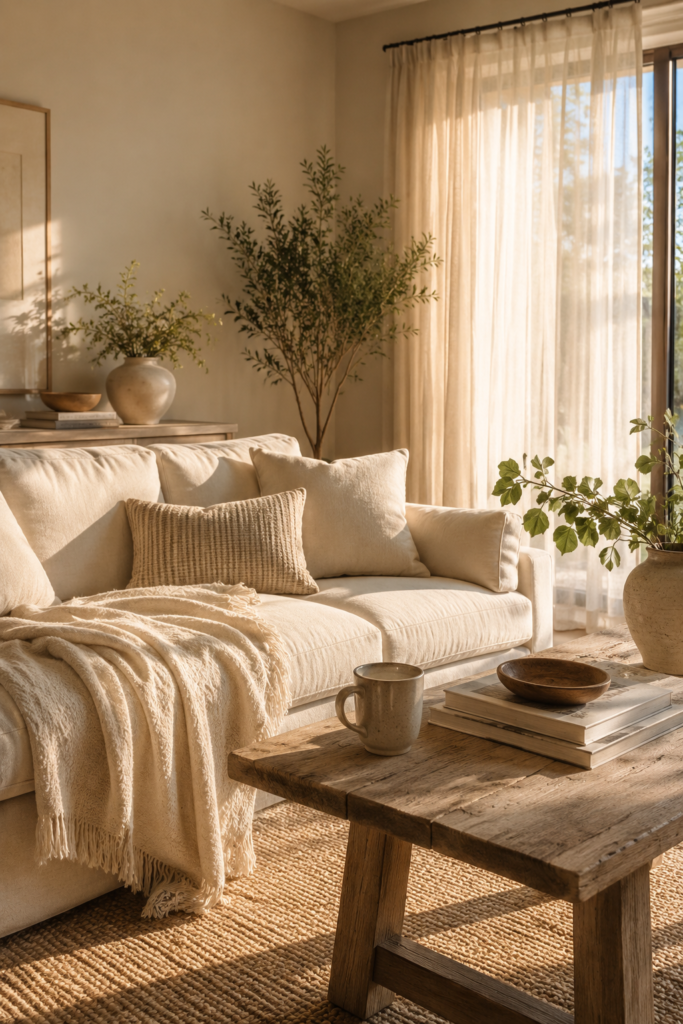
Because of this, many people are moving toward a softer, slower, more intentional approach to home design. Not necessarily minimalist in the strict sense, but purposeful. They are choosing quality over quantity, warmth over perfection, and spaces that support everyday life rather than simply looking impressive online.
Creating a calm home begins with understanding that your environment should work with you, not against you. Every room communicates something through its layout, lighting, textures, and energy. Some spaces encourage rest naturally, while others create subtle stress. When you begin paying attention to how your surroundings actually make you feel, your relationship with your home changes completely.
One of the first things people notice in calming spaces is the absence of visual overload. Many homes accumulate objects gradually over time without intention. Decorations are added because shelves look empty. Furniture is purchased without considering how it changes the movement of a room. Surfaces become filled with small items that individually seem harmless but collectively create visual noise.
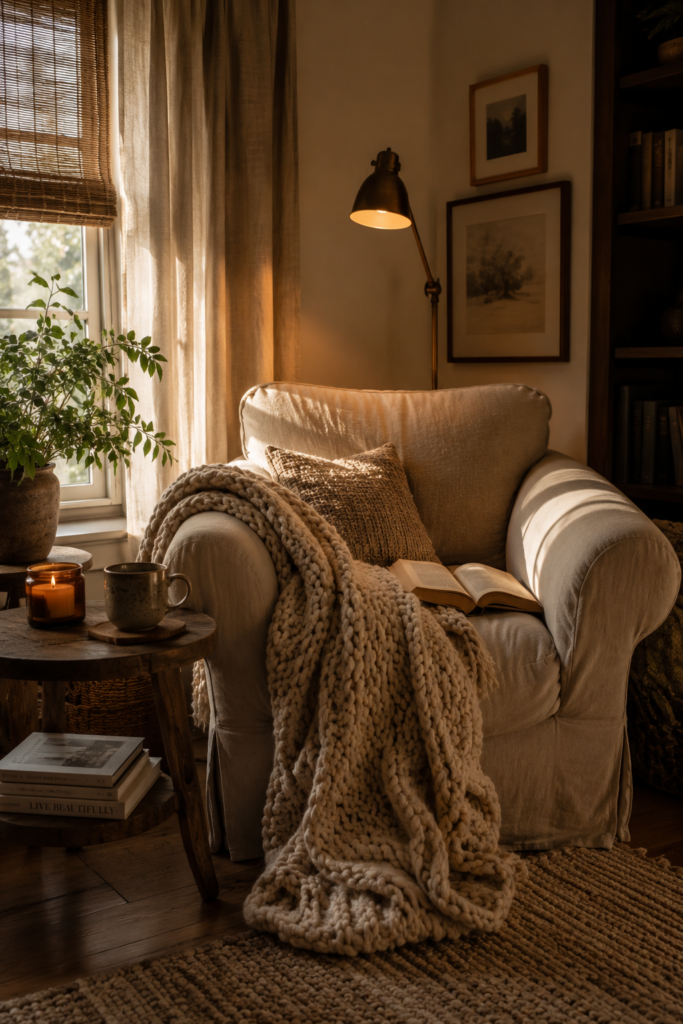
A peaceful room does not necessarily contain fewer things. It simply contains fewer unnecessary things. There is space between objects. Surfaces are allowed to breathe. Furniture feels balanced within the room instead of oversized or crowded together. This sense of openness creates an immediate feeling of ease because the mind is not constantly trying to process excess information.
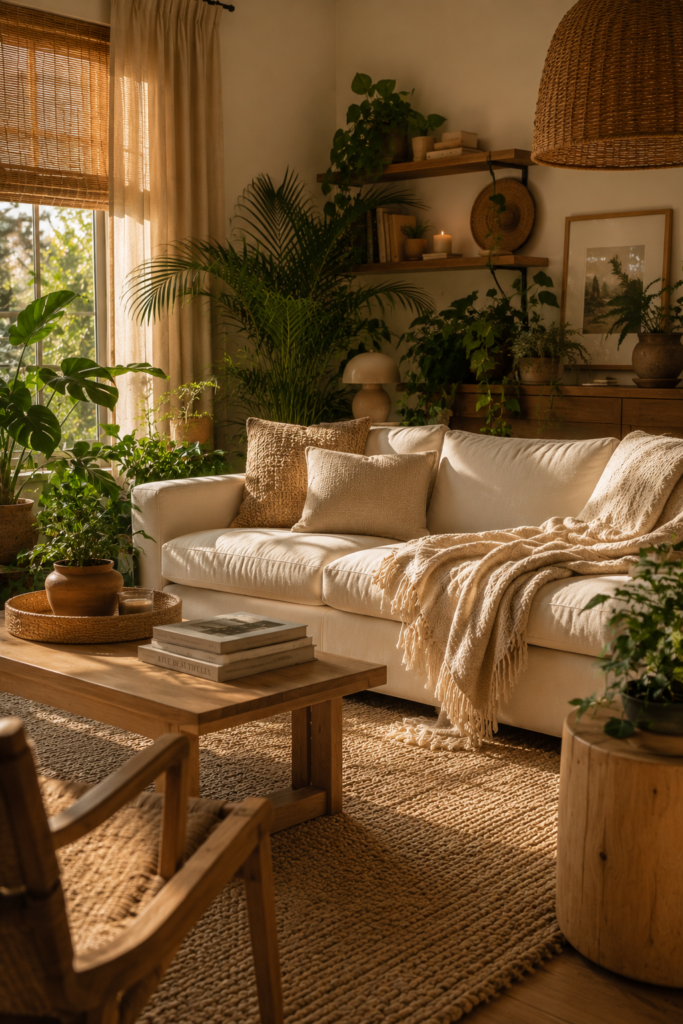
Natural materials also play an important role in creating this atmosphere. Wood, stone, linen, cotton, ceramic, and woven textures tend to make spaces feel grounded because they connect us to natural environments. Even subtle changes in material can shift the emotional tone of a room dramatically. A linen curtain softens incoming light differently than synthetic fabric. A wooden coffee table feels warmer and more organic than glossy plastic surfaces. A woven rug introduces texture without feeling overwhelming.
Something as simple as incorporating a textured natural rug can completely change the feeling of a living room. Pieces similar to the Safavieh Natural Fiber Collection Jute Area Rug work beautifully in calm interiors because they introduce warmth and texture while still remaining understated. They do not dominate the space or compete for attention. Instead, they quietly support the room as a whole.
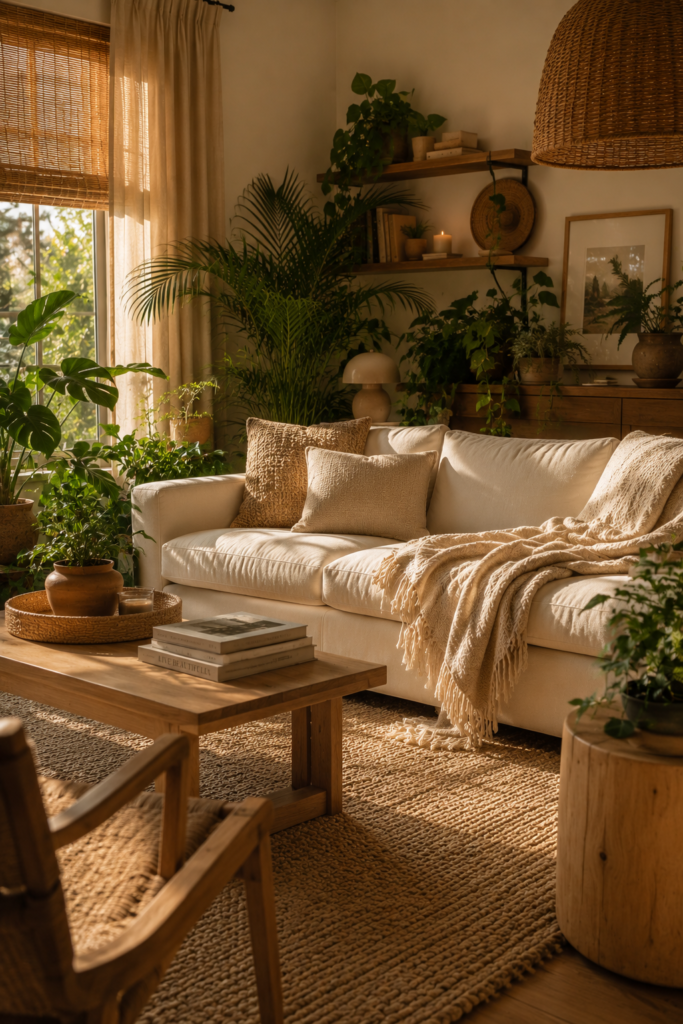
Colour has a similarly powerful effect. Highly saturated or contrasting colours can energise a space, which may work well in some environments, but calm interiors usually rely on softer palettes that allow the eye to relax. Warm whites, muted greens, sandy beiges, soft browns, clay tones, and earthy neutrals all create a sense of continuity and visual softness. These colours exist naturally in landscapes and environments humans have evolved around for thousands of years, which is partly why they feel comforting and familiar.
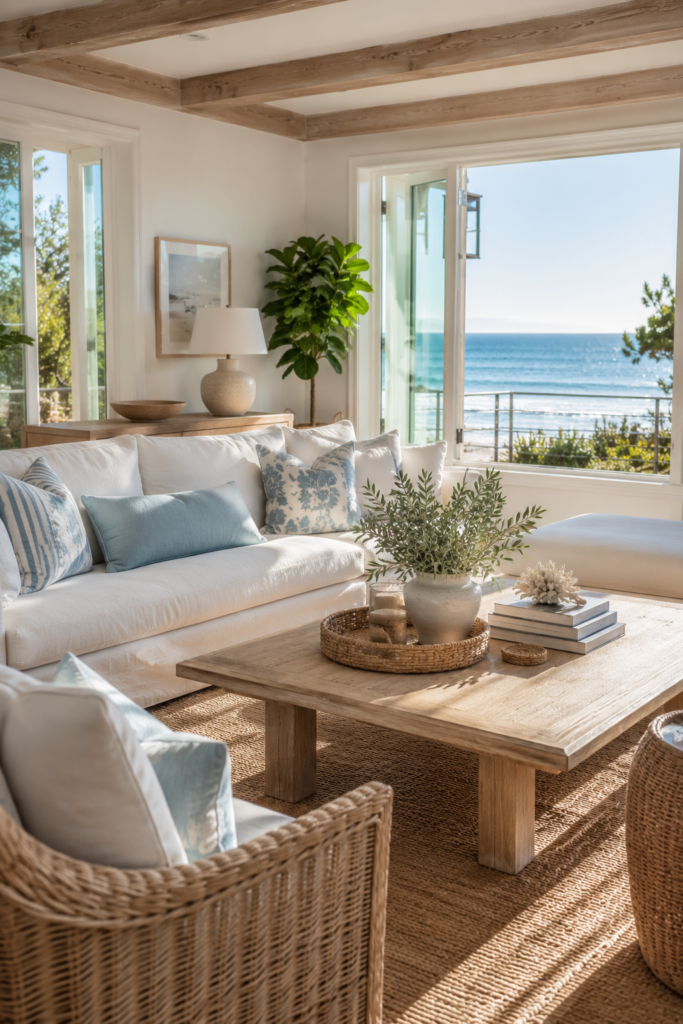
Lighting is another element that is often underestimated. The way light enters a room changes not only how it looks, but how it feels emotionally. Natural light tends to create calm because it shifts gently throughout the day, introducing movement and rhythm into a space. Large windows, sheer curtains, and open layouts allow light to spread softly instead of feeling harsh or clinical.
Sheer curtains similar to the NICETOWN White Sheer Curtains are often used in calming interiors because they diffuse sunlight gently while still allowing brightness into the room. The effect is subtle but transformative. Instead of direct harsh light, the room feels softer, warmer, and more atmospheric.
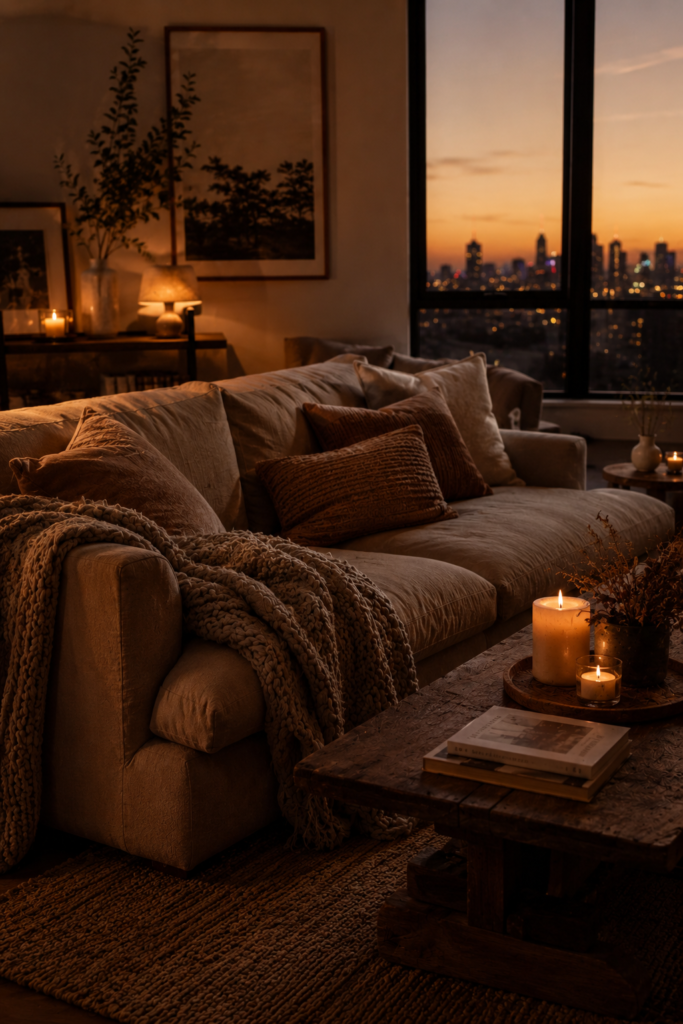
As the day transitions into evening, lighting becomes even more important. Bright overhead lights often make spaces feel sterile and overstimulating at night. Softer lamps positioned around a room create pockets of warmth and intimacy instead. Warm lighting encourages the body to relax naturally and signals that the day is slowing down.
Furniture selection also changes significantly when comfort becomes the priority rather than appearance alone. Many modern interiors focus heavily on aesthetics but neglect how furniture actually feels to use daily. A home designed for intentional living should invite rest naturally. Sofas should feel comfortable enough to truly unwind in. Chairs should encourage relaxation rather than simply completing a visual composition.
The Stone & Beam Lauren Down-Filled Sofa has become popular in calm, modern interiors for exactly this reason. It balances clean, timeless design with deep comfort, allowing it to blend naturally into soft, neutral spaces while still feeling welcoming and functional. Pieces like this work well because they support the atmosphere rather than distracting from it.
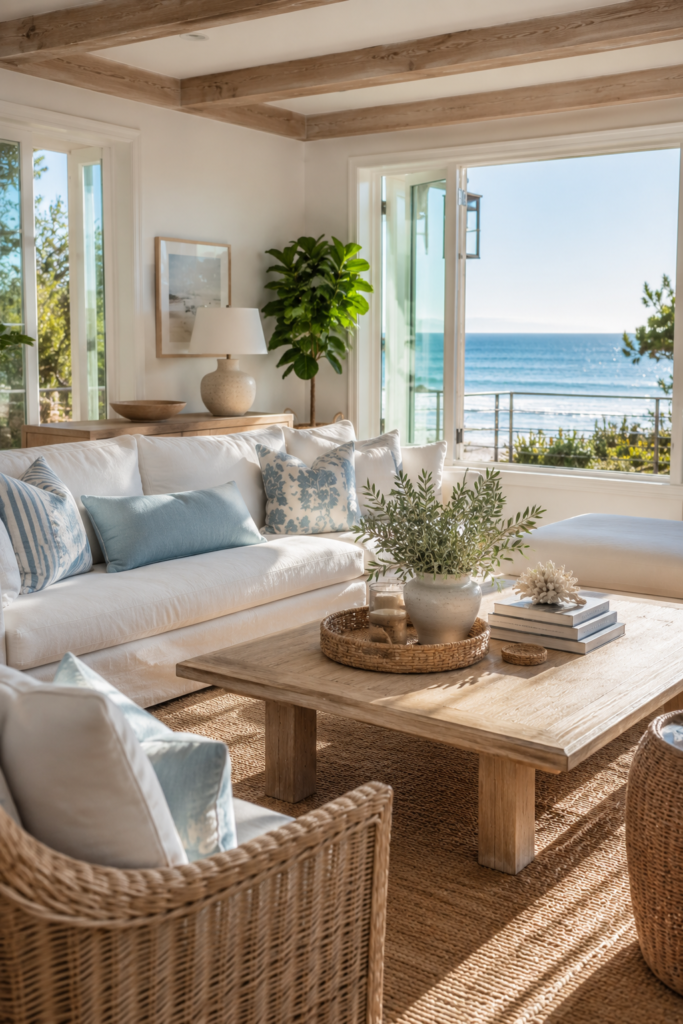
The idea of intentional living extends beyond design itself. It also changes how people interact with their spaces emotionally. Instead of constantly chasing trends or refreshing décor unnecessarily, intentional homes evolve more slowly. Objects are chosen carefully. Purchases become more thoughtful. There is less pressure to impress and more focus on creating environments that genuinely support everyday life.
This shift often leads people to value routines differently as well. Morning coffee becomes something to enjoy rather than rush through. Evenings become quieter and less distracted. Small moments within the home begin to feel meaningful because the environment itself encourages presence.
Plants often become part of this atmosphere naturally. Living greenery softens rooms in a way that artificial decoration cannot replicate. Plants introduce movement, organic shapes, and life into a space. Even a few small plants placed thoughtfully can make a room feel fresher and calmer immediately.
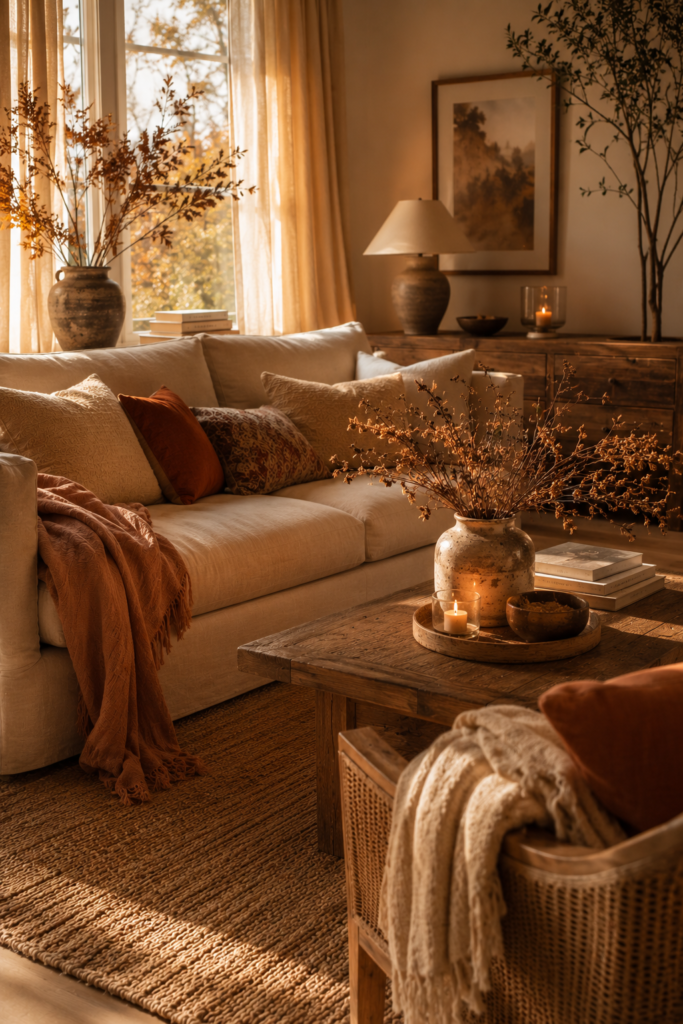
Simple ceramic planters like the Mkono Ceramic Plant Pot Set integrate beautifully into neutral interiors because they allow greenery to become part of the room without feeling visually cluttered. Again, the goal is subtlety rather than excess. Calm spaces rarely rely on dramatic statements. Instead, they build atmosphere through consistency and balance.
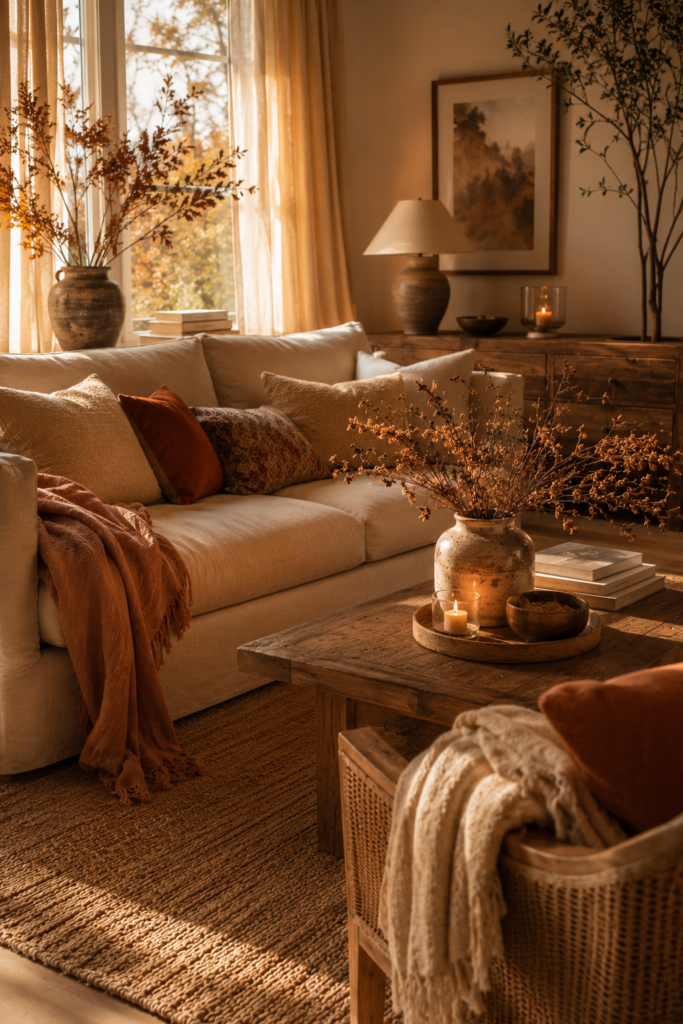
Textiles contribute heavily to this feeling as well. Soft throws, layered cushions, woven blankets, and textured fabrics make rooms feel inviting because they suggest comfort and warmth physically as well as visually. A throw blanket casually placed over a sofa changes the emotional tone of a room instantly. It suggests rest. It suggests slowing down.
Pieces similar to the Bedsure Linen Textured Throw Blanket work particularly well because they add softness without looking overly decorative or artificial. Natural textures always feel more timeless because they age gracefully and integrate into lived environments naturally.
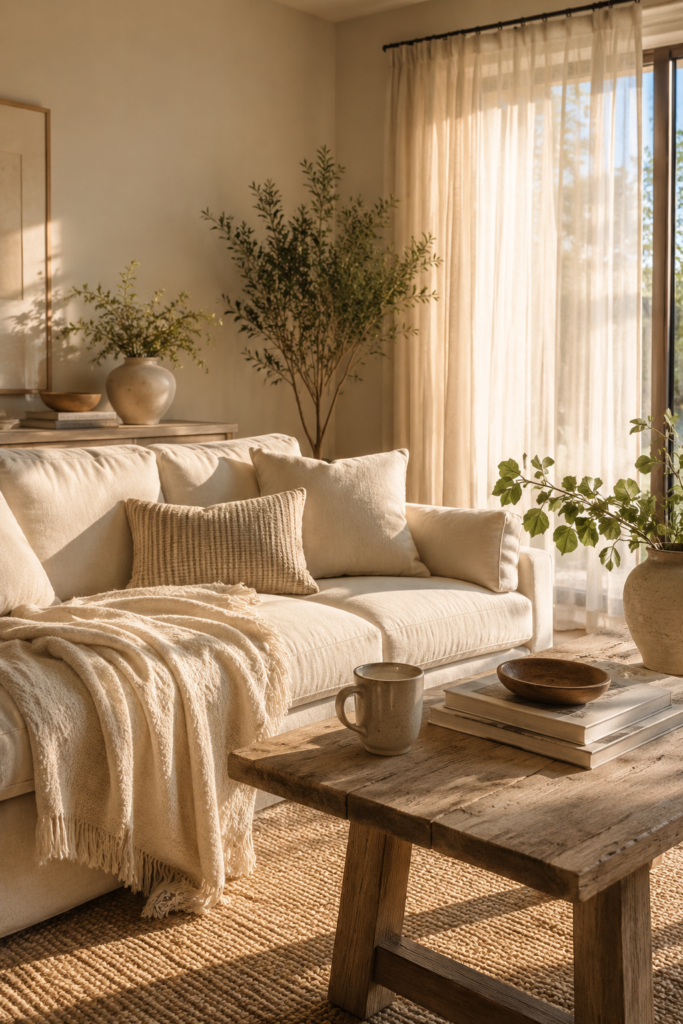
The rise of calm, intentional interiors is partly a reaction against years of hyper-consumption and fast trends. Many people are beginning to realise that constantly buying new things does not necessarily improve how a home feels. In fact, too much accumulation often creates the opposite effect. Homes become storage spaces for unnecessary objects rather than environments designed to support wellbeing.
This is why simplicity has become so appealing. Not empty minimalism, but purposeful simplicity. Spaces that feel edited rather than crowded. Rooms where every object has a reason for being there. Environments where you can actually think clearly and relax fully.
Technology has also changed how people think about home environments. Because so much of life now happens online, people are craving spaces that feel grounded in reality. Natural materials, warm lighting, quiet colours, and slower spaces provide a sense of balance against the constant stimulation of screens and digital environments.
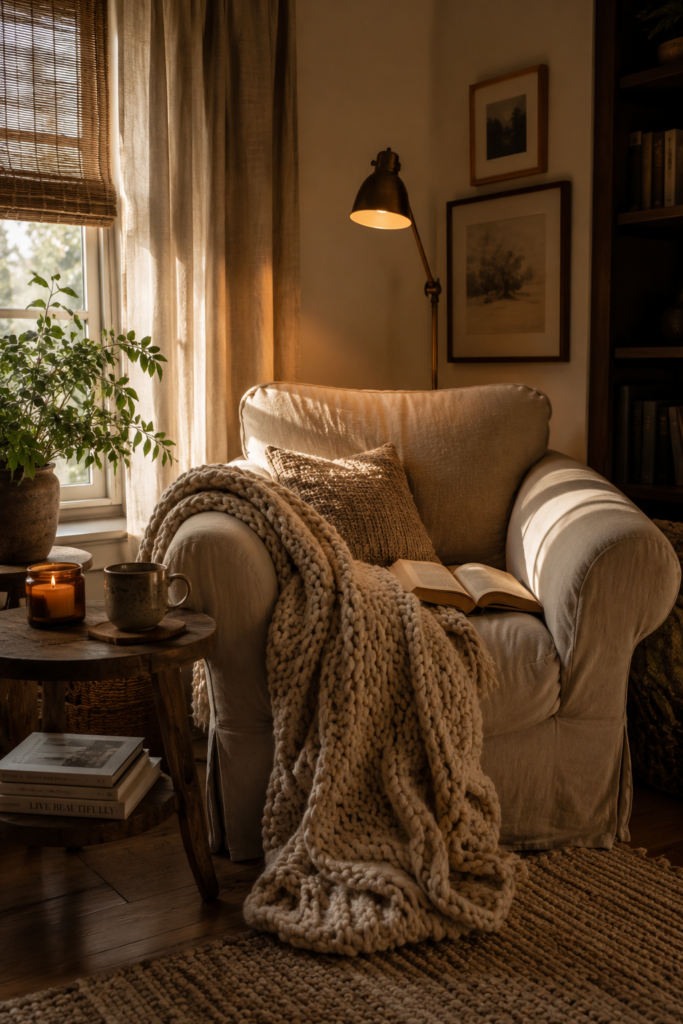
Interestingly, travel has influenced modern interiors in similar ways. Many people are inspired by boutique hotels, quiet coastal homes, Scandinavian cabins, Japanese interiors, and Mediterranean spaces because these environments prioritise atmosphere over decoration. They feel calm because they are designed around experience rather than visual excess.
The emotional side of home design is often overlooked, but it may actually be the most important aspect. People remember how spaces made them feel far more than they remember specific objects or layouts. A home that creates peace becomes deeply valuable because it affects daily life continuously. Small moments become easier. Stress feels softer. Rest becomes more restorative.
Creating this type of environment does not require a massive renovation or expensive redesign. In most cases, calm homes are built gradually through small adjustments. Removing clutter from a surface. Replacing harsh lighting with softer lamps. Introducing natural textures. Choosing fewer, better pieces instead of filling space unnecessarily.
The process itself often becomes enjoyable because it shifts focus away from perfection. Instead of trying to create a flawless showroom, you begin creating a home that supports your life honestly. That difference changes everything.
Intentional homes also tend to age better because they are not built around temporary trends. Soft neutrals, natural textures, timeless furniture, and organic materials rarely feel outdated because they are rooted in comfort and simplicity rather than novelty.
This timelessness is important because it allows people to settle into their spaces rather than constantly feeling the need to update or replace things. A home should evolve naturally over time, reflecting the people who live there instead of chasing whatever aesthetic happens to be popular online.
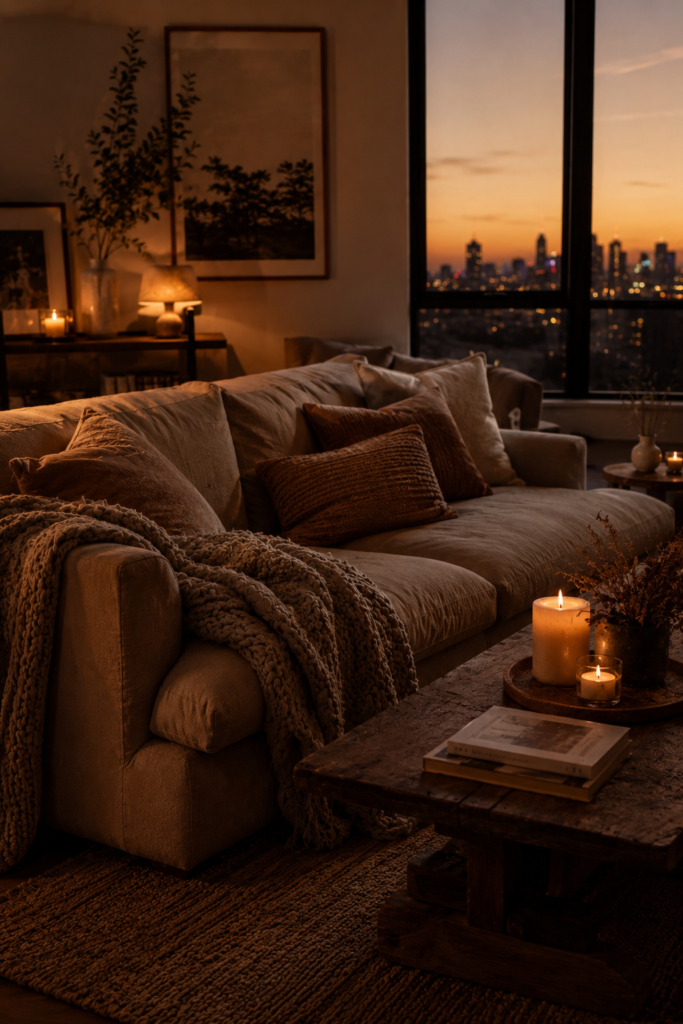
There is also something deeply comforting about homes that feel personal rather than overly curated. Spaces that include books people actually read, blankets that are genuinely used, furniture chosen for comfort, and objects connected to memory or daily life always feel warmer than rooms designed purely for appearance.
The goal is not perfection. In fact, slightly imperfect spaces often feel the most calming because they feel human. A slightly wrinkled linen curtain, a ceramic vase with uneven texture, a throw casually folded on a sofa — these details make a home feel lived in rather than staged.
Over time, intentional design changes more than just the appearance of a space. It changes routines, mindset, and even emotional wellbeing. When your environment feels supportive, everyday life becomes softer around the edges. Simple activities feel more enjoyable. Rest feels deeper. Home becomes somewhere you genuinely want to return to.
This is ultimately why calm interiors resonate with so many people right now. Modern life is noisy, fast, and demanding. People are craving spaces that offer the opposite experience. Not spaces that perform for social media, but spaces that provide relief.
The most beautiful homes are rarely the ones filled with the most expensive objects. They are usually the ones that feel effortless. Balanced. Comfortable. Human.
That atmosphere cannot be bought instantly or copied perfectly from inspiration photos. It is created gradually through thoughtful choices, intentional living, and attention to how a space actually feels to exist within.
At its core, creating a calm home is really about creating a calmer life. The environment around you influences your nervous system continuously, shaping how you think, feel, and move throughout the day. When your home supports rest, clarity, and ease, those feelings begin to extend into everything else as well.
And perhaps that is the real purpose of thoughtful design. Not to impress people, but to improve the quality of everyday life quietly, consistently, and meaningfully.
A home should not feel like another source of pressure. It should feel like somewhere that allows you to slow down, breathe deeply, and reconnect with yourself again.